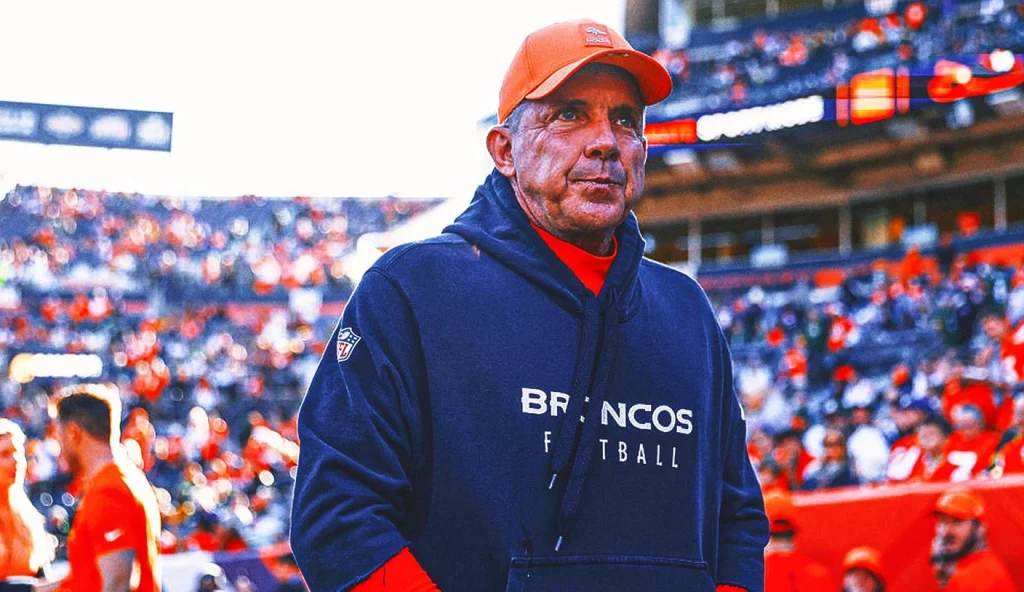
That missed buzzer-beater three?
Brutal.
But sometimes, the biggest turning points happen off the court.
The recent Massachusetts court ruling against Kalshi, barring them from offering sports betting within the state, feels like one of those moments.
Even though it’s just one state, the decision throws a wrench into the growing momentum of prediction markets and, more broadly, the normalization of sports wagering in the US.
Kalshi, for those unfamiliar, operates a platform where users can essentially bet on the outcome of various events, including sports.
The idea is that these “prediction markets” can offer insights into public sentiment and even serve as a forecasting tool.
However, Massachusetts Attorney General argued that Kalshi’s offering was essentially unregulated gambling, a position the court ultimately supported.
The psychological impact here is significant.
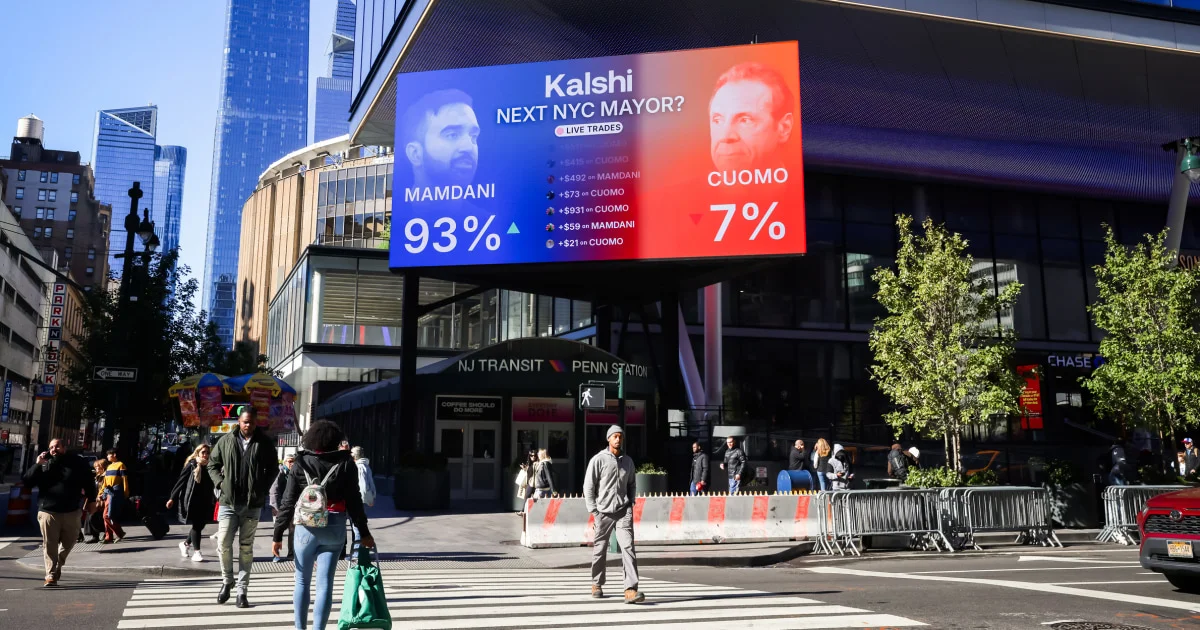
For pro-gambling forces, it’s a blow to confidence.
Kalshi likely envisioned Massachusetts as a foothold, a state where they could demonstrate the viability and (relative) harmlessness of their platform.
This legal setback creates hesitation.
Other states considering similar platforms will now proceed with more caution, knowing that legal challenges are a real possibility.
Think of it like a crucial timeout called by the opposing team.
Up until this point, the narrative was trending towards wider acceptance, with incremental gains in different states.
Now, the other side has regrouped, adjusted their strategy, and are ready to apply renewed pressure.
The burden shifts to the pro-gambling lobby to demonstrate that prediction markets offer benefits beyond simple wagering.
So, what does this all mean for the next “game,” the ongoing debate about the future of sports betting?
It’s difficult to say for sure.
However, I expect a renewed focus on regulation and consumer protection.
Proponents of prediction markets will need to address concerns about potential manipulation and addiction more convincingly.
Whether they can regain their lost momentum remains to be seen, but this Massachusetts ruling has definitely made the path forward steeper.